Under HILA, employers must show that sponsored workers have the capability to perform their roles effectively.
A VETASSESS skills assessment provides an independent evaluation to confirm:
- A worker’s experience aligns with role requirements
- Their skills meet Australian industry expectations
- The evidence provided is credible and consistent
This supports transparency and confidence for both employers and applicants.
VETASSESS HILA Occupations and ANZSCO Codes
VETASSESS is the authorised assessing authority for 16 occupations under HILA, covering a range of production, supervisory, and operational roles. [vetassess.com.au]
| Occupation Category | Occupation | ANZSCO Code |
| Horticulture Production | Horticulture Grower | 070499 |
| Protected Cropping Grower | 070499 | |
| Horticulture Farm Manager | 070499 | |
| Production Horticulturist | 070499 | |
| Supervisory Roles | Facility Supervisor | 070499 |
| Section Manager / Supervisor | 070499 | |
| Production Supervisor | 070499 | |
| Machinery & Operations | Mobile Plant Operator | 721111 |
| Forklift Driver | 721311 | |
| Truck Driver | 733111 | |
| Machinery Supervisor | 149999 (nec) | |
| Machinery Manager | 149913 / 149999 | |
| Irrigation Roles | Irrigationist | 841999 |
| Irrigationist Assistant | 841999 | |
| Storage & Facilities | Cold Storage Manager | 149999 (nec) |
| Facility / Plant roles | 070499 / 149913 |
Some occupations under HILA use broad or “not elsewhere classified (nec)” ANZSCO codes (such as 070499 or 149999), reflecting the specialised nature of horticulture roles that may not align neatly with standard classifications.
This structure helps both employers and applicants clearly identify how roles align under the agreement.
What This Means for Farmers and Employers
For growers, HILA—supported by skills assessment—offers a clearer and more reliable workforce solution.
Greater confidence in worker capability
An independent assessment helps confirm that workers have the practical skills required, reducing recruitment uncertainty. This is reflected in consistently strong outcomes, with 97% of HILA assessment outcomes resulting in a positive result across recent years, demonstrating a high level of alignment between applicant experience and industry needs.
Support for compliance
Using an independent assessment provider helps demonstrate alignment with labour agreement requirements.
Access to an experienced workforce
HILA is increasingly supporting workers already contributing to the Australian economy, with over 60% of applicants applying onshore in recent years. This provides employers with access to workers who are often already familiar with Australian workplace expectations.
Proven engagement with employers
The pathway is also demonstrating strong industry uptake, with more than 300 applicants already linked to Australian employers, highlighting its growing role in supporting workforce planning across the sector.
What This Means for Horticulture Workers
For migrant workers, HILA offers a pathway to have experience recognised—but preparation matters.
Your experience is valuable
Practical, hands-on work—such as harvesting, irrigation, machinery operation, or supervision—is central to assessment. High success rates, with around 97% of applicants receiving a positive outcome, reflect the strong relevance of real-world horticulture experience within this pathway.
Access to an experienced workforce
HILA is increasingly supporting workers already contributing to the Australian economy, with over 60% of applicants applying onshore in recent years. This provides employers with access to workers who are often already familiar with Australian workplace expectations.
Skills assessment helps demonstrate your ability
A VETASSESS assessment presents your experience in a way that aligns with Australian workplace standards, making it easier for employers to understand your capability.
It supports, but does not guarantee outcomes
The HILA pathway supports multiple visa options, with current data showing 52% of cases linked to the Temporary Skill Shortage (TSS) visa and 42% to the Skilled Employer Sponsored Regional (SESR) visa, highlighting the range of pathways available. However:
- The assessment is one step in the process
- It does not guarantee a visa
- Final decisions are made by the Department of Home Affairs
Preparation is key
- Provide clear qualification & work history
- Gather employer references
- Be ready to describe daily tasks accurately
A Practical Example

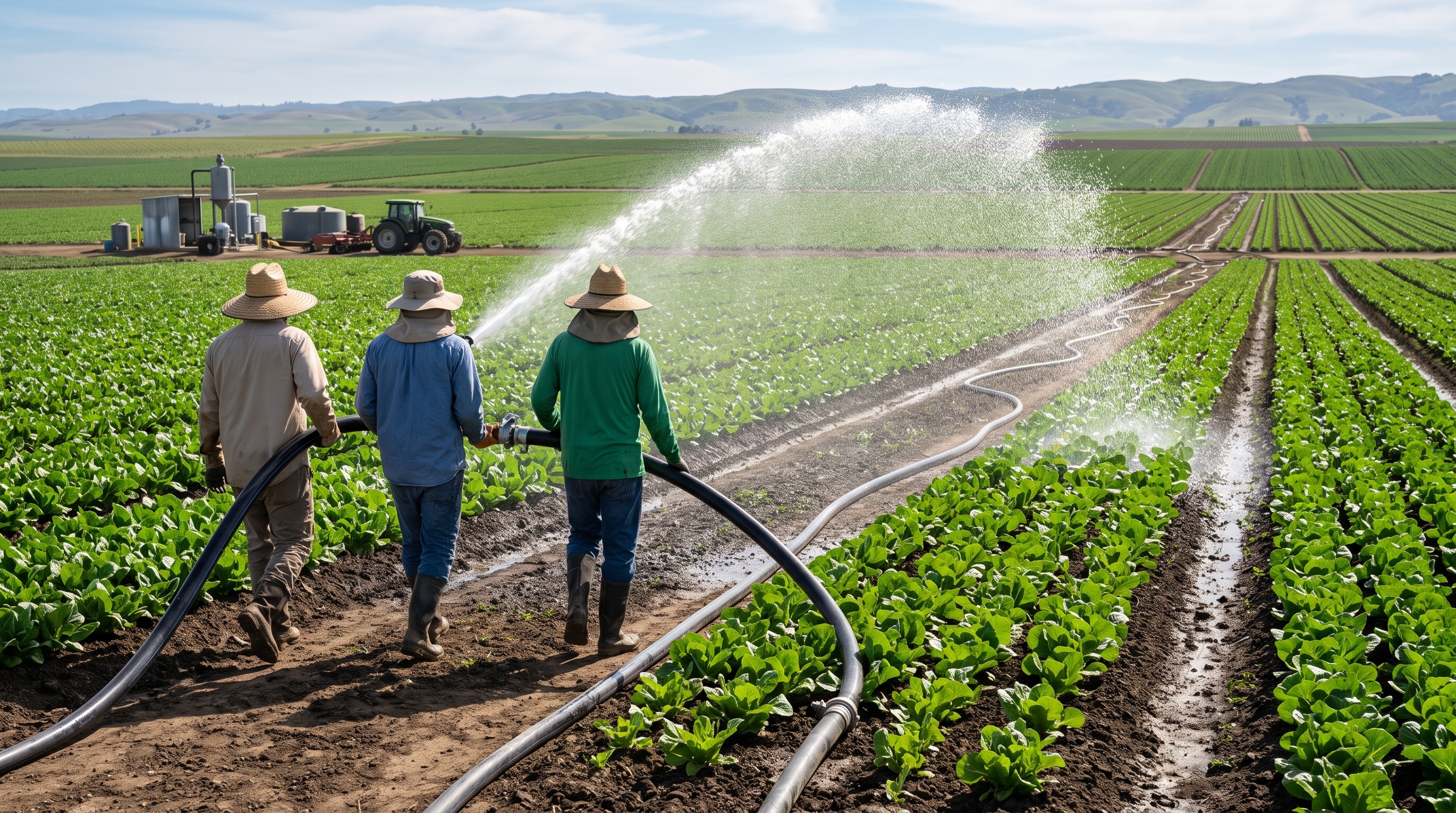
Consider a worker with several years of experience in greenhouse vegetable production—managing irrigation, maintaining crops, and supporting harvest and packing processes.
This type of profile is increasingly common in the HILA pathway, particularly among onshore applicants who already have exposure to Australian farming environments, which now make up a majority of applications. With strong positive assessment outcomes across the program, workers with relevant, consistent experience are well positioned to demonstrate their capability.
While they may not hold formal qualifications*, they have developed strong practical skills. A VETASSESS assessment allows them to:
- Demonstrate the depth of their experience
- Align their skills with Australian expectations
- Provide credible evidence of job readiness
For employers, this confirms capability. For workers, it provides a clearer pathway into the program.
*Occupation criteria may vary
Final Thoughts
The Horticulture Industry Labour Agreement is an important response to workforce challenges in Australia’s horticulture sector. By recognising practical experience and supporting structured skills assessment, it creates a pathway that benefits both growers and workers.
VETASSESS plays a key role by providing independent, evidence-based assessments, helping ensure that workers are prepared, employers are supported, and the process remains transparent and credible.
Next Steps
For farmers and employers
Learn how VETASSESS skills assessments can support your workforce needs under HILA.
For horticulture workers
Find out whether your experience may be suitable and how you can prepare for assessment.
This article is written by Luke Trevisan, VETASSESS Industry Lead – Science, Health & Agriculture
Related News and Updates

During our recent webinar, we received a wide range of questions from migration agents and applicants seeki
Under HILA, employers must show that sponsored workers have the capability to perform their roles e

VETASSESS hosted its annual Allyship Conference this week, bringing together leading voices from across Aus